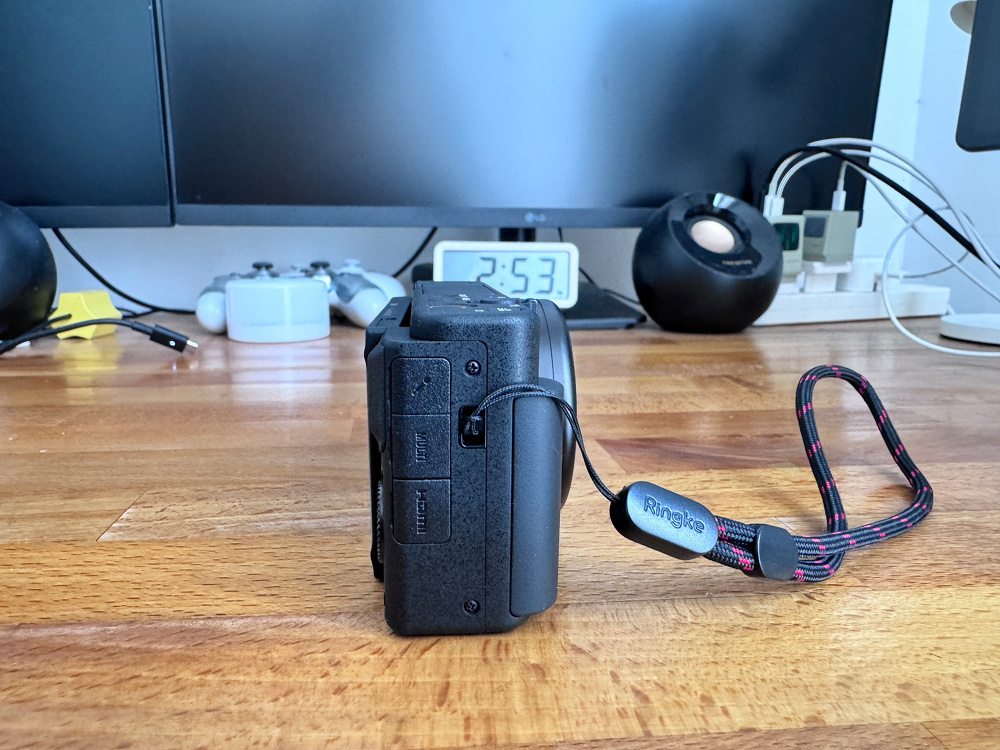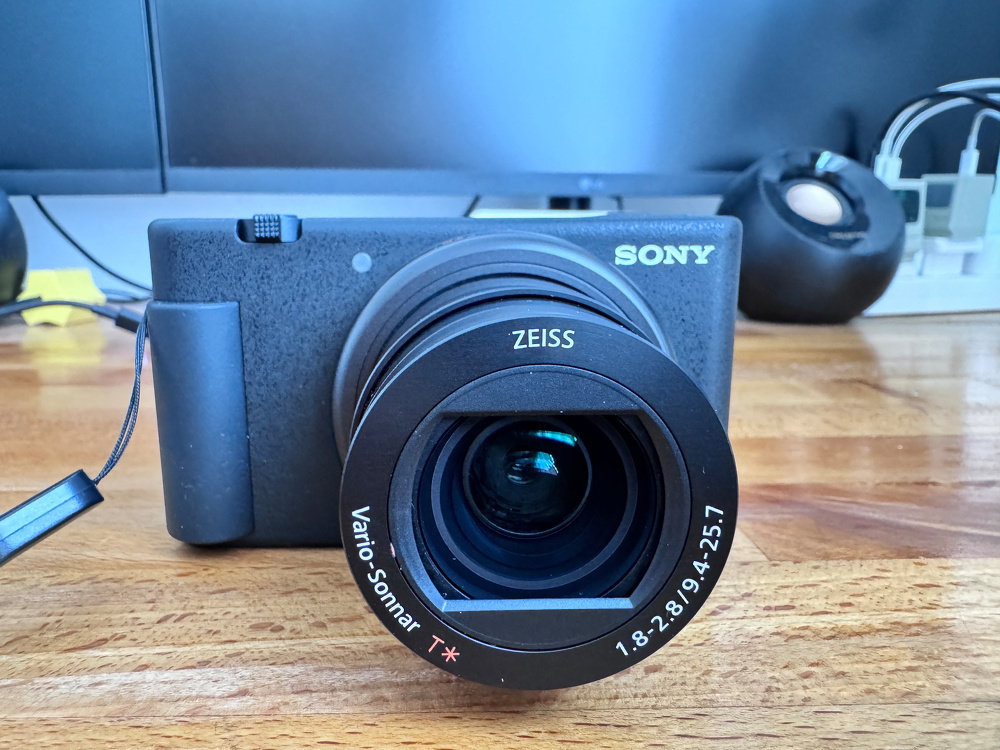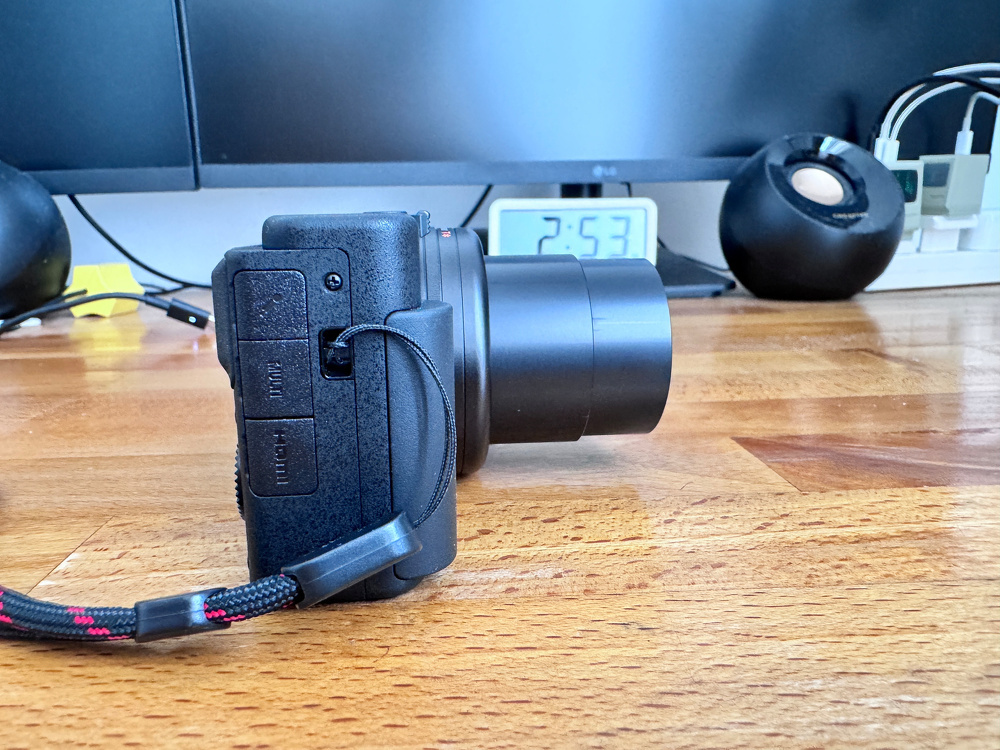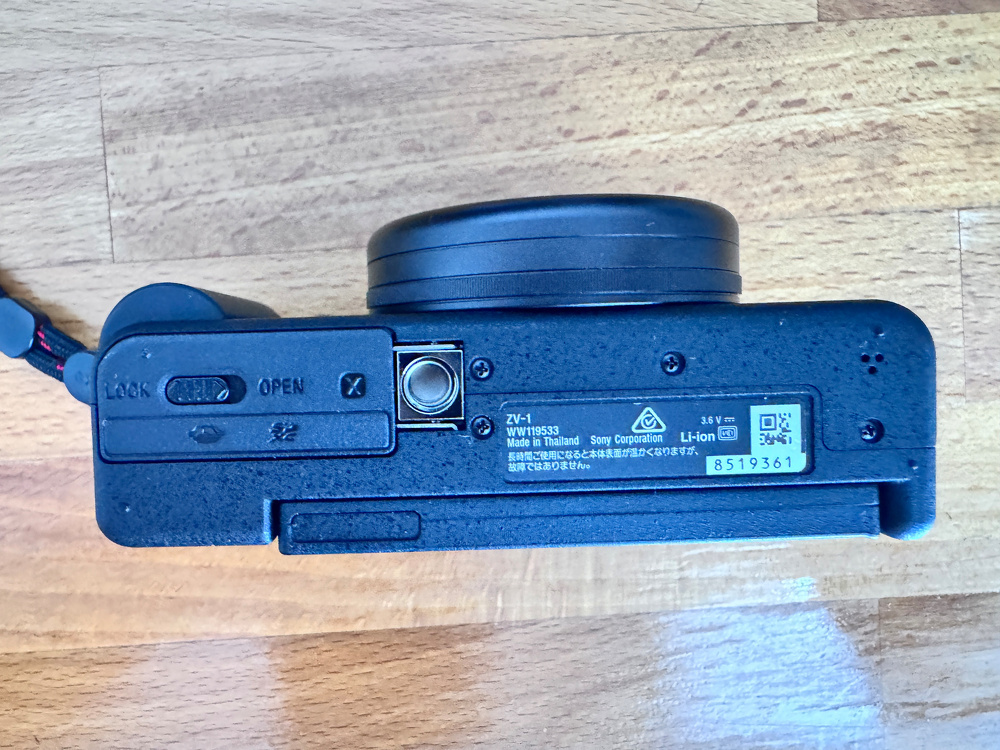
I own a Sony ZV-E10 camera. It is a fine APSC camera with interchangeable lens and excellent image qualities. That camera is small enough to fit in a sling bag and won’t be a burden to your back should you wish to carry it everywhere. Or is it?
As good and compact as the ZV-E10 is, I still feel the camera should be smaller. In other word, it should be small enough to be pocketable. Why is that you ask? Well like Bad Bunny say - debí tirar más fotos de cuando te tuve. I would like to have had taken more photos of my loved one, my surrounding, of everything. But to lug around the ZV-E10, would be a minor chore. It is certainly doable but not really desirable.
Hence why I took out a loan save up some money to get a small, much smaller compact camera. It doesn’t has to have an interchangeable lens and most importantly, it has to take good photos and videos while not being out of my budget. I looked high and low before finally deciding on the Sony ZV-1 point and shoot camera.
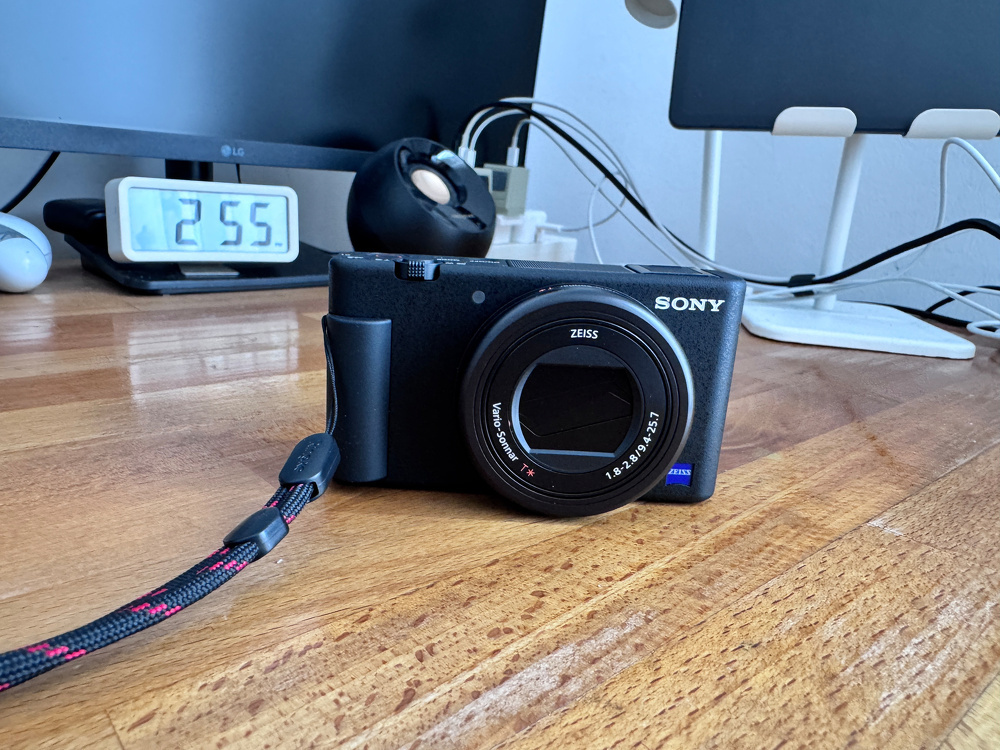
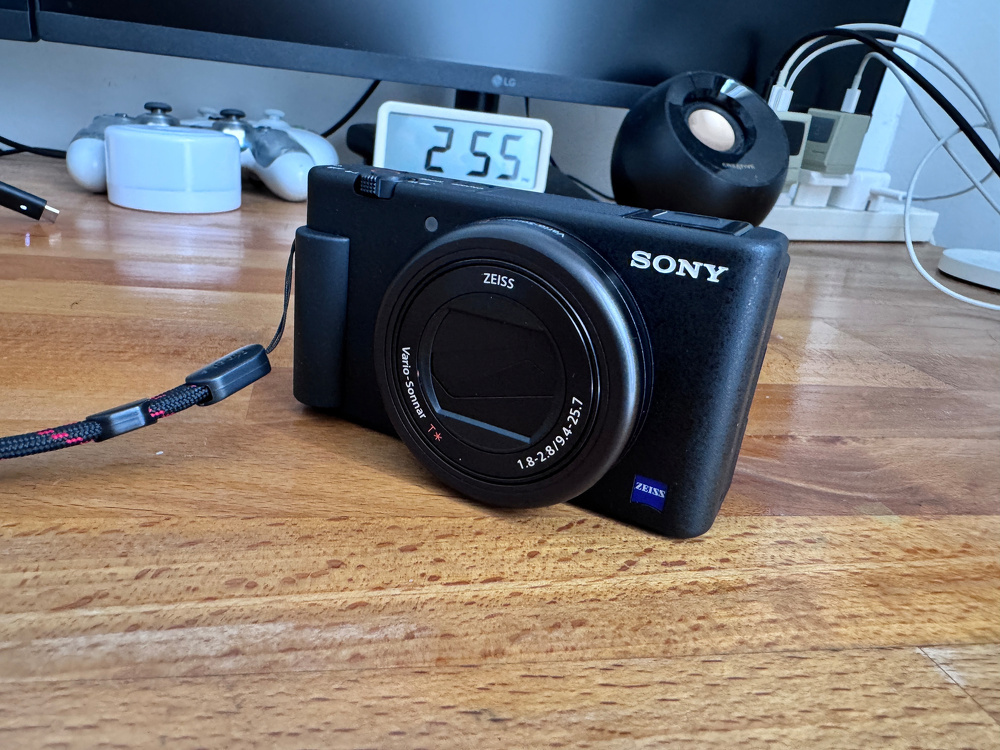
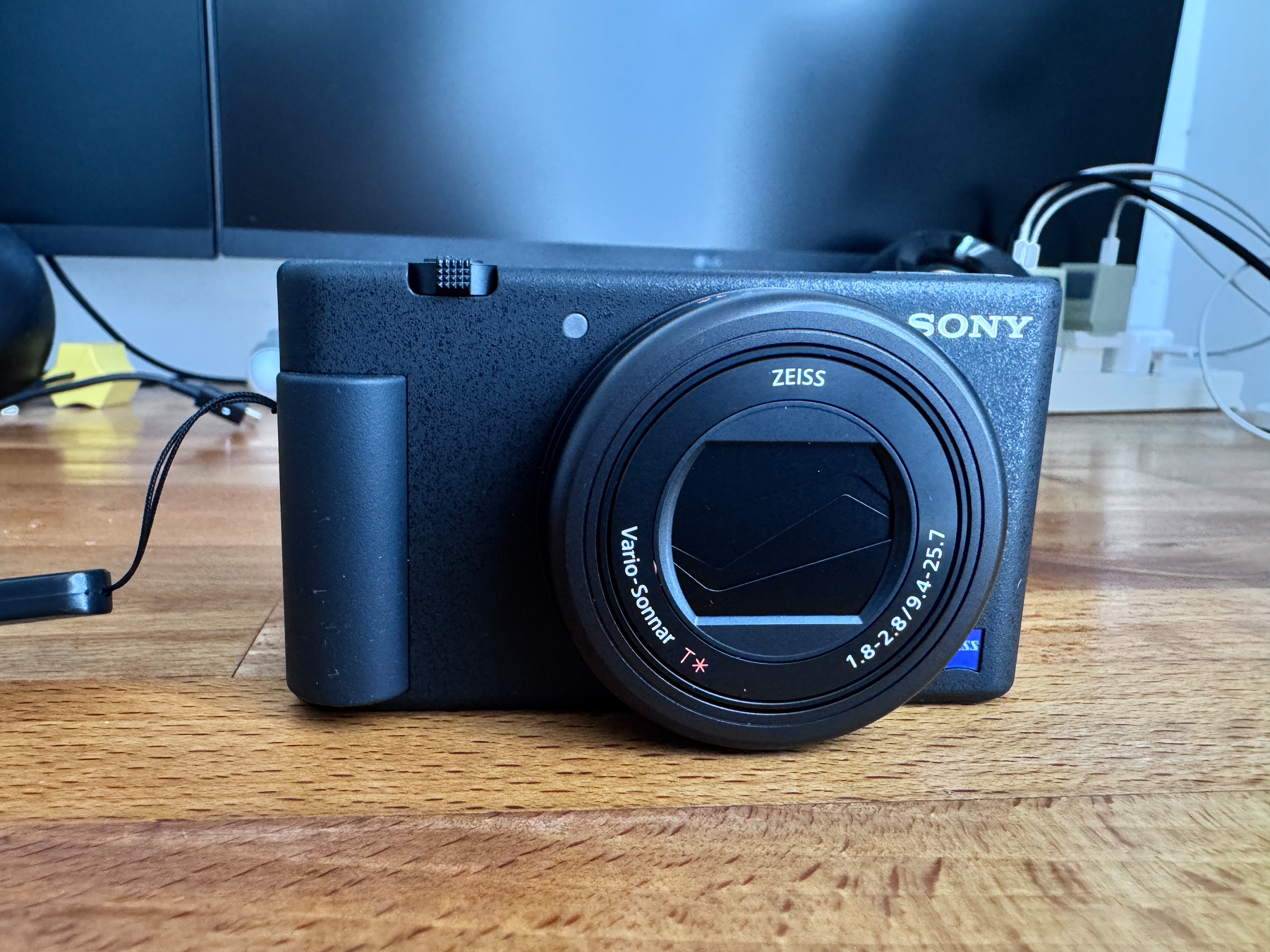
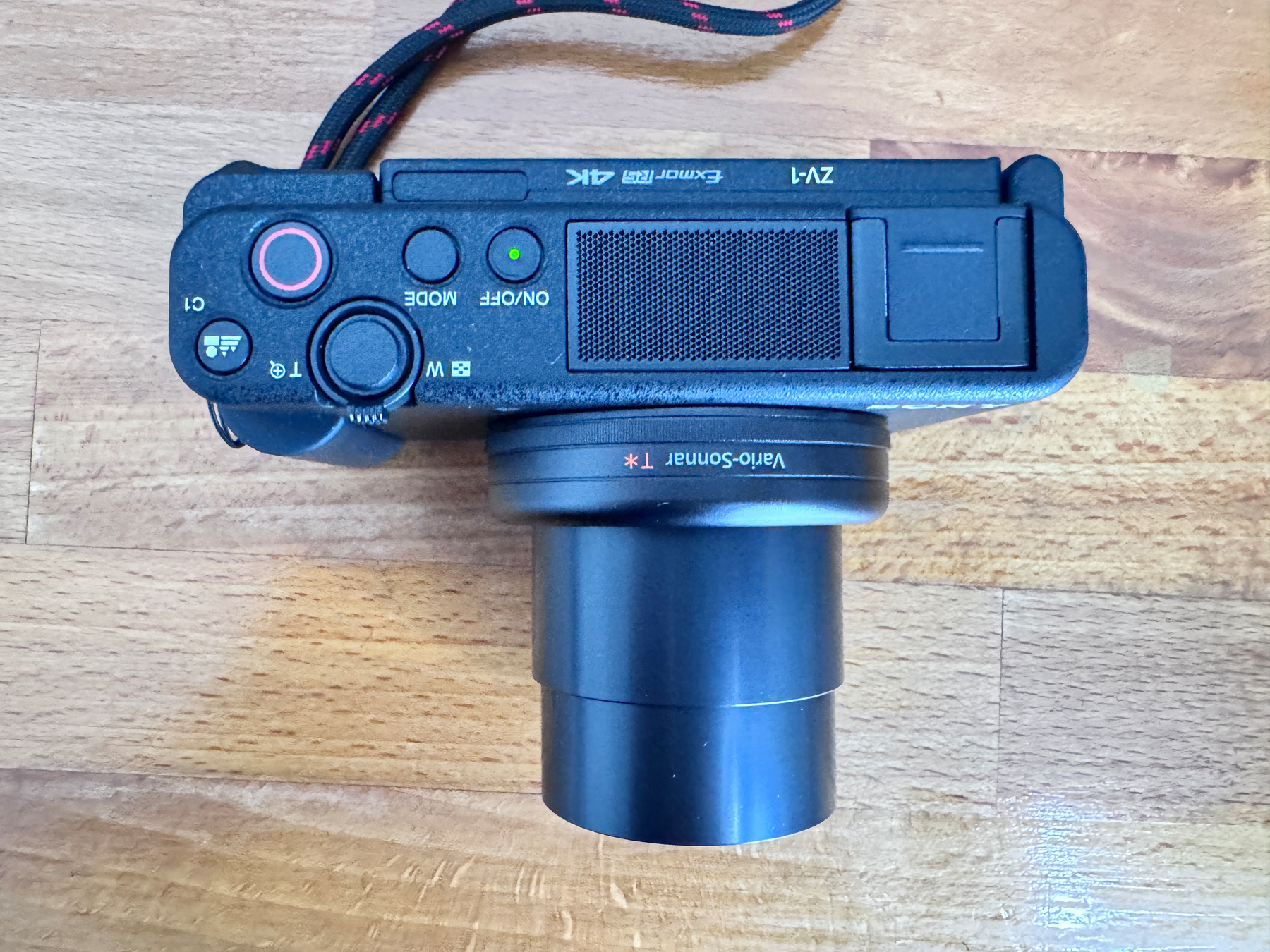
At fírst glance, the ZV-1 looks like a modified RX100 with its similar size and form factor. Under the hood sits a 20.1MP 1-inch Exmor RS CMOS sensor paired with a 24-70mm equivalent f/1.8-2.8 lens. This setup delivers a shallow depth-of-field and low-light performance that a smartphone simply cannot replicate. The body is made of textured plastic which feels smooth to the touch but still visible on the camera.
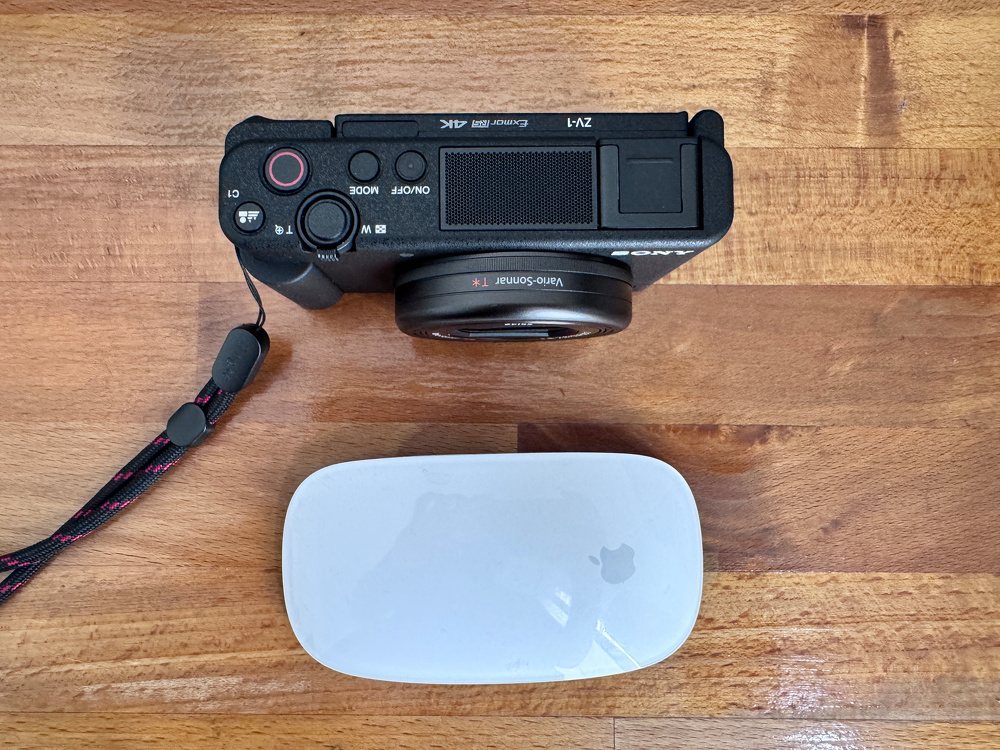
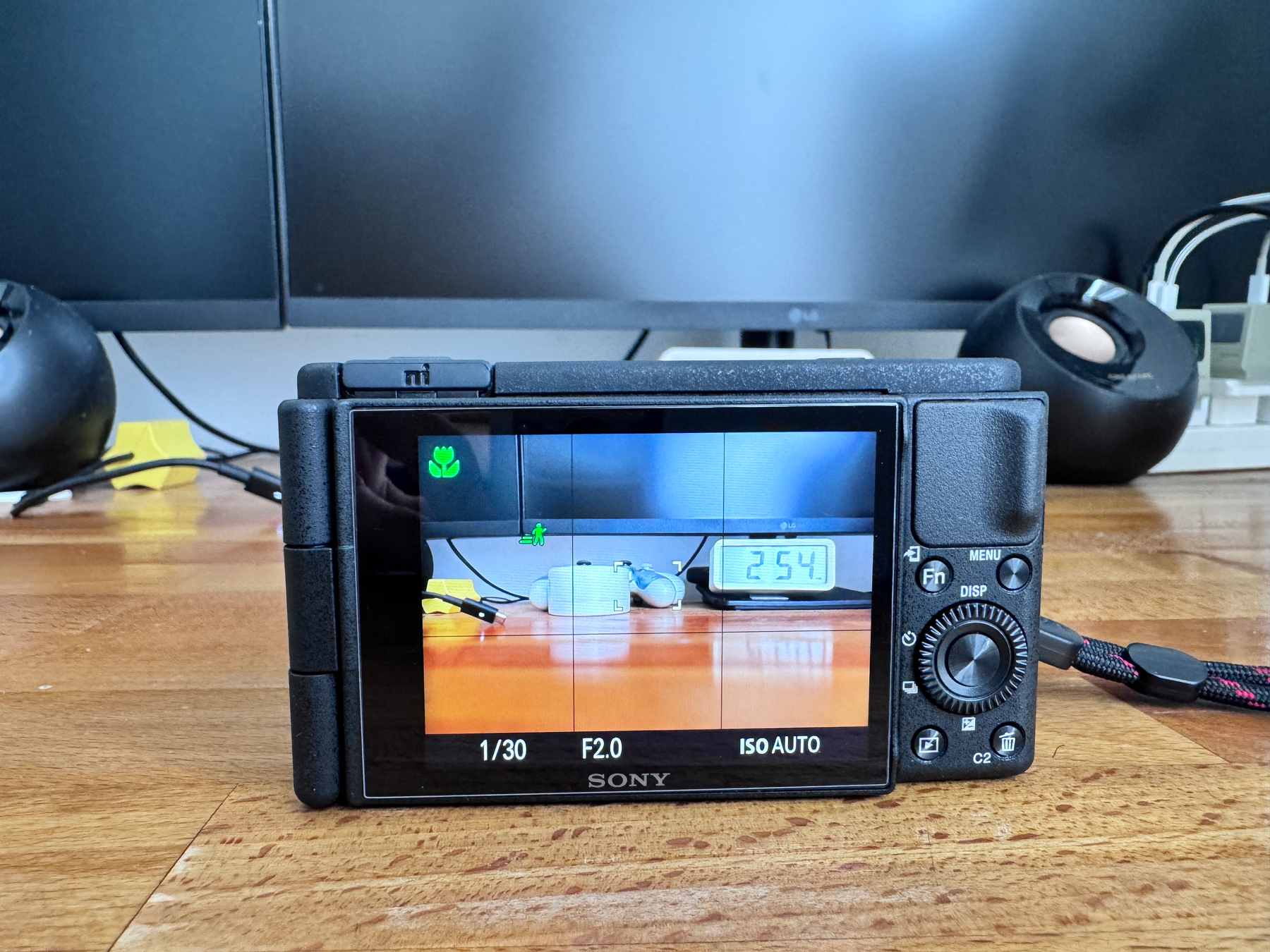
There is no viewfinders on this camera but you do get a 3.0 inch slide-flip touchscreen screen at the back of the camera. You can find the usual rotating menu dial, menu, function, playback and delete/C2 buttons on the left side. On the top, you will see the power, shutter, zoom, mode, C1 and a dedicated video recording button which is a favourite amongst vloggers. This camera comes with a built-in mic plus a “dead cat” furry windscreen which shields the camera from much wind noises. The multi-interface hot shoe can power a variety of camera accessories such as microphone or flash which is missing on the camera.
The C1 button also doubles as the background defocus button which gives you that creamy, blurred background photo without fiddling with aperture settings. Sony’s autofocus is legendary for a reason and this camera enables real-time tracking which make sure the focus stay on the subject. The special product showcase mode allows you to switch the autofocus from your eyes to the product held up to the lens and then back again the moment you move it.
That said, this compact camera comes with a few downsides. The 24mm lens can feel a bit narrow for handheld video recording, especially so when you turn on Active Stabilization which crops the image further. More often than not, I had to zoom out with my feet while recording scenes with the camera to be able to capture everything I wanted. The NP-BX1 battery is rather slim and small you will likely need 2 or 3 more spares to get through a full day of video recording. Finally, the Micro-USB port feels a bit dated in this day and age which forces you to carry an extra cable for charging/data transfer.
The main pulling factor for this Sony point and shoot camera for me is the size and photo/video quality. Size-wise, its only slightly wider and longer than an Apple Magic Mouse which makes it very pocketable and lightweight to carry around. It’s the perfect EDC camera. Price-wise, it is still cheaper than a similarly specced Canon G7X Mark III, Nikon P1000 and of course the premium Ricoh GRIII or Fujifim X100 VI. If you have more money to spend, the Sony RSX100 VII is the ultimate point and shoot but at easily double the price for the ZV-1.