Skeleton Crew [Disney+]

Star Wars: Skeleton Crew is a refreshing departure from the high-stakes galactic civil wars that usually define the franchise, opting instead for a “coming-of-age” adventure reminiscent of 1980s Amblin films like The Goonies. The story follows a group of four children who accidentally launch a ship into deep space and must navigate a dangerous, unknown galaxy to find their way home. By centering the perspective on children who view the Force and Jedi as mere myths, the series successfully recaptures a sense of wonder and vulnerability that is often lost when focusing on legendary heroes or seasoned warriors.
The performances are a highlight, particularly the chemistry between the young cast and Jude Law’s character, Jod Na Nawood. Law brings a charismatic yet mysterious energy to the screen, playing a “Force-user” whose true intentions remain delightfully ambiguous for much of the journey. The production design also stands out; the show leans into a “used future” aesthetic that feels tactile and lived-in, blending suburban-style planet life with grimy pirate dens. The inclusion of various alien species and creative practical effects helps ground the fantastical elements in a way that feels quintessentially Star Wars.
However, the series occasionally struggles with its pacing, sometimes feeling stretched thin across its episodic format. While the focus on a “lost in space” procedural allows for world-building, some viewers might find the stakes a bit low compared to the operatic drama of Andor or The Mandalorian. Despite this, Skeleton Crew succeeds as a charming, standalone entry that broadens the scope of the universe. It’s a fun, family-friendly romp that manages to feel nostalgic without relying too heavily on legacy cameos, making it a solid addition for fans looking for a lighter side of the galaxy.
One hundred years of solitude [Netflix]
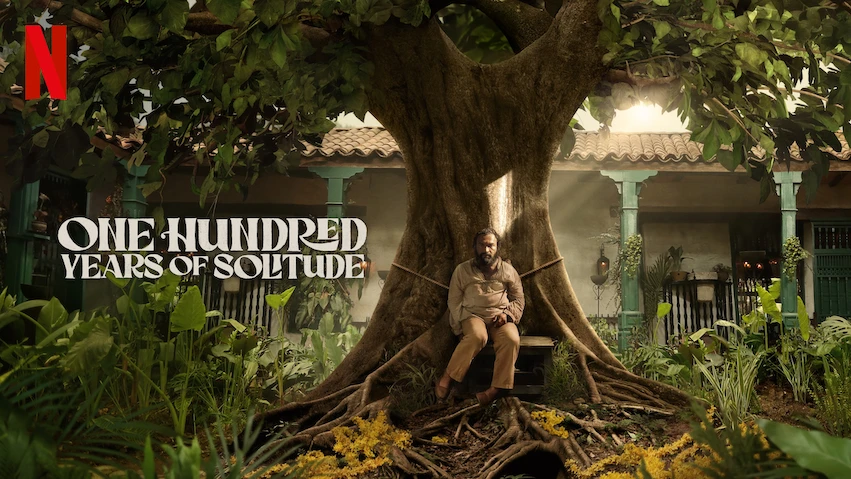
Netflix’s adaptation of One Hundred Years of Solitude is a visually arresting triumph that finally brings Gabriel García Márquez’s “unfilmable” masterpiece to life. Filmed entirely in Colombia with an authentic Spanish-speaking cast, the series succeeds where many feared it would fail: by treating the surreal elements of magical realism with a casual, deadpan sincerity. From the rain of yellow flowers to the snaking trail of blood that winds through the streets of Macondo, the production uses stunning cinematography and meticulous practical effects to make the supernatural feel like an everyday occurrence for the Buendía family.
The narrative structure skillfully handles the novel’s sprawling, cyclical timeline, which covers seven generations of the same family. By splitting the epic into two parts—the first of which premiered in December 2024—the showrunners allow the story enough room to breathe, avoiding the rushed feel of a typical film adaptation. The performances are a standout, particularly Marleyda Soto as the matriarch Úrsula and Claudio Cataño as Colonel Aureliano Buendía. Having the characters age over the 16-episode run helps viewers keep track of the many similarly named descendants, a feat that is famously difficult when reading the book.
While the series is remarkably faithful to the source material, it occasionally struggles with the transition from prose to screen, as Márquez’s poetic internal monologues are sometimes replaced by denser dialogue or narration. Some critics have noted that the “reverent” tone can occasionally feel a bit formal, but this is a minor trade-off for such a lush and ambitious production. Overall, it stands as one of Netflix’s most significant international achievements, offering a haunting and beautiful exploration of solitude, war, and the inescapable weight of family history that will satisfy both long-time devotees and newcomers to Macondo.
The White Lotus [HBO Max]
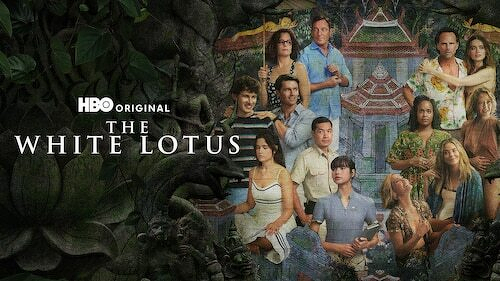
The White Lotus is a biting, darkly comedic anthology that serves as a masterclass in social satire, peeling back the polished veneer of the “one percent” at luxury resorts. Each season begins with the discovery of a corpse, instantly transforming an idyllic vacation into a high-stakes whodunit. However, the true brilliance of creator Mike White lies not in the murder mystery, but in the excruciatingly uncomfortable interactions between entitled guests and the hotel staff who must cater to their every whim. From the volcanic power struggles of the first season in Hawaii to the tangled sexual politics of Sicily, the show consistently exposes the hollowness of extreme wealth with a wicked sense of humor.
The series is anchored by phenomenal ensemble casts and a production value that captures the seductive allure of its exotic locales. Jennifer Coolidge’s iconic portrayal of the tragic, chaotic Tanya McQuoid served as the show’s emotional (and comedic) heart for its first two outings, while the recently concluded third season in Thailand pushed the boundaries even further. Season 3 explored themes of Eastern spirituality and death, featuring a standout cast including Walton Goggins, Carrie Coon, and Lalisa Manobal. The show’s “used future” for the elite—where every sunrise is beautiful but every conversation is a minefield—is brought to life by Cristóbal Tapia de Veer’s haunting, tribal score, which perfectly mirrors the primal tensions brewing beneath the surface.
Critically, The White Lotus succeeds because it refuses to offer easy heroes or clean resolutions. By the end of each week-long stay, the guests often remain unchanged, retreating back into their bubbles of privilege while the local staff and less fortunate characters bear the brunt of the collateral damage. It is a show that intentionally makes the viewer squirm, forcing an examination of class, race, and the human capacity for selfishness. With a fourth season already set to satirize the celebrity culture of the French Riviera and the Cannes Film Festival, the series remains one of the most vital and addictive mirrors of modern society currently on television.
The day of the Jackal [Prime Videos]
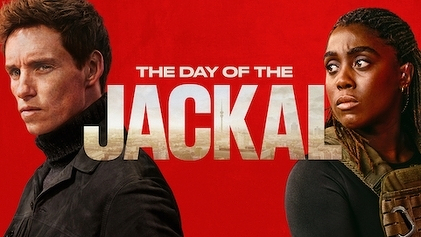
The Day of the Jackal (2024) is a sleek, modernized reimagining of Frederick Forsyth’s classic thriller that successfully translates the high-stakes tension of the 1960s into the digital age. Starring Eddie Redmayne as the titular assassin and Lashana Lynch as the dogged MI6 agent Bianca, the series moves away from the original’s purely procedural roots to explore the personal psychological tolls of the “cat and mouse” game. Redmayne delivers a chillingly disciplined performance as a master of disguise and long-range precision, while the expanded narrative gives Lynch’s character a complex domestic life, making her obsession with catching him feel deeply personal.
The production shines in its global scope and technical detail, taking viewers on a visually stunning journey through London, Paris, Croatia, and beyond. Unlike many modern action series that rely on frenetic pacing, this adaptation leans into a “slow-burn” tension, emphasizing the meticulous preparation required for a high-profile political hit. The attention to detail—from the engineering of a custom sniper rifle to the digital forensic work used to track a ghost—is fascinating. It maintains a grounded, gritty realism that feels reminiscent of the better entries in the Bourne or Bond franchises, but with the breathing room that only a ten-part series can provide.
However, while the expanded character backstories add depth, some viewers might find that the subplots occasionally dilute the propulsive momentum of the central hunt. The show asks the audience to balance their interest in the Jackal’s family life with his cold-blooded profession, a tonal shift that can sometimes feel at odds with the character’s legendary enigma. Despite this, the series remains a masterclass in suspense, culminating in a tense, multi-layered finale that honors the source material while carving out its own identity. It is a sophisticated, high-octane thriller that proves some classic stories are indeed timeless.
Adolescence [Netflix]
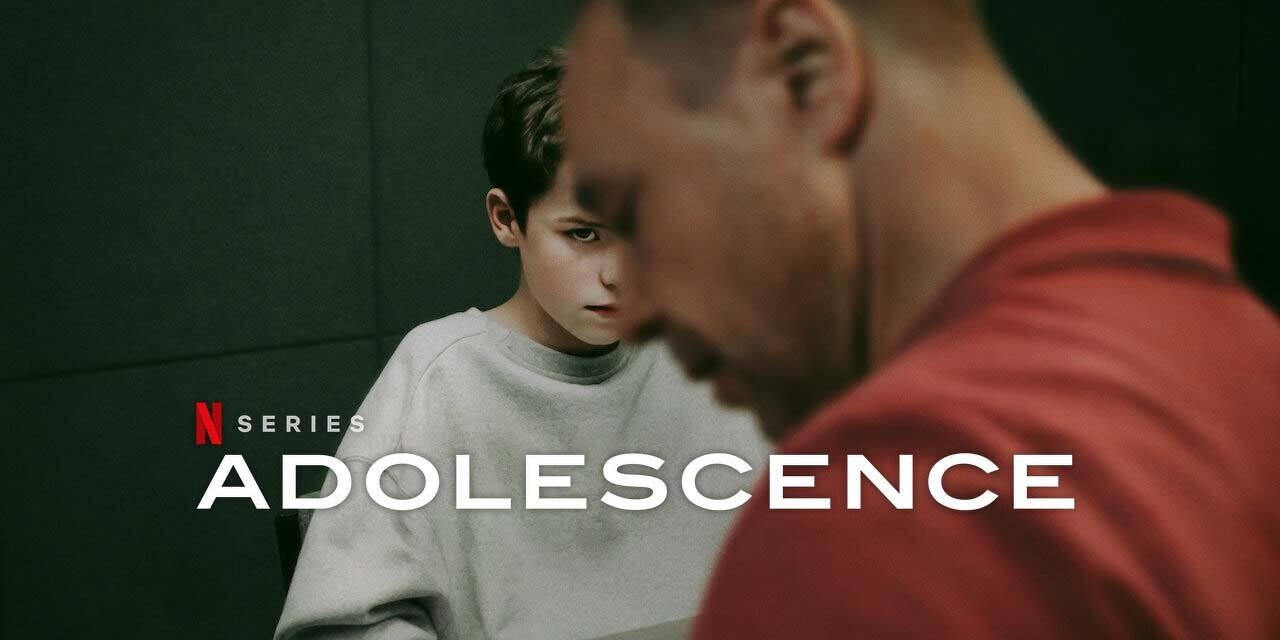
Adolescence (2025) is an extraordinary and devastating feat of television that pushes the boundaries of the crime drama genre. Co-created by Stephen Graham and Jack Thorne, and directed by Philip Barantini, the four-part limited series centers on 13-year-old Jamie Miller, who is arrested for the murder of a classmate. What sets the show apart is its ambitious technical execution: each hour-long episode is filmed in a single, continuous shot without hidden cuts. This “oner” approach strips away the safety of traditional editing, forcing the viewer to inhabit the suffocating real-time reality of the Miller family as they are thrust into the clinical, often heartless machinery of the British justice system.
The performances are universally acclaimed, but the series undoubtedly belongs to newcomer Owen Cooper. As Jamie, Cooper delivers a hauntingly complex performance, oscillating between a vulnerable, terrified child and a radicalized teenager influenced by toxic “manosphere” culture. Stephen Graham is equally brilliant as Jamie’s father, Eddie, portraying a man paralyzed by the impossible conflict of loving a son who has committed an unforgivable act. The third episode, which consists almost entirely of a psychological evaluation between Jamie and a therapist (played by a sharp Erin Doherty), is widely considered the show’s masterpiece, meticulously deconstructing the social and digital pressures that lead to such a tragedy.
Ultimately, Adolescence is less of a “whodunit”—as Jamie’s guilt is established early—and more of a searing “why-dunit.” It serves as a chilling cautionary tale about the online radicalization of young boys, misogyny, and the failures of modern support systems. While the relentless misery and real-time pacing can make it a difficult watch, its refusal to offer easy answers or “Law & Order” tropes makes it one of the most honest depictions of parenthood and social decay in recent years. It is a landmark production that feels more like a piece of visceral, immersive theater than a standard streaming series.
When life give you tangerines [Netflix]
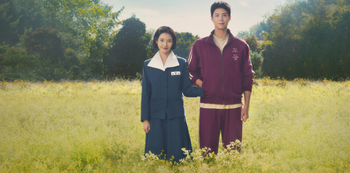
When Life Gives You Tangerines (also known as You Have Done Well) is a sweeping, evocative period drama that captures the resilient spirit of Jeju Island across the decades. Set primarily in the 1950s, it follows the ambitious and rebellious Ae-sun and the quiet, steadfast Gwan-sik as they navigate the trials of poverty and social upheaval. The series excels at grounding its grand historical scope in the intimate, everyday moments of island life, making the salty air and volcanic soil feel like characters themselves.
The heart of the show lies in the magnetic performances of its leads. Ae-sun is a firecracker—a “rebel” born in the face of destiny who refuses to accept a pre-written life—while Gwan-sik offers a poignant portrayal of “silent love,” supporting her with a devotion that is as sturdy as an old oak. Their evolution from spirited youths to weathered adults is handled with remarkable grace, avoiding the common tropes of the genre in favor of a raw, deeply human connection that feels earned through every hardship they endure.
Visually, the production is breathtaking, utilizing the natural beauty of Jeju to mirror the internal landscapes of the protagonists. The cinematography balances the vibrant orange of the tangerine groves with the harsh, gray realities of post-war Korea, creating a sensory experience that lingers long after the credits roll. It is a profound meditation on the passage of time and the quiet heroism found in simply living well, ultimately proving that even the most bitter circumstances can be transformed into something sweet and enduring.
The Studio [Apple TV]
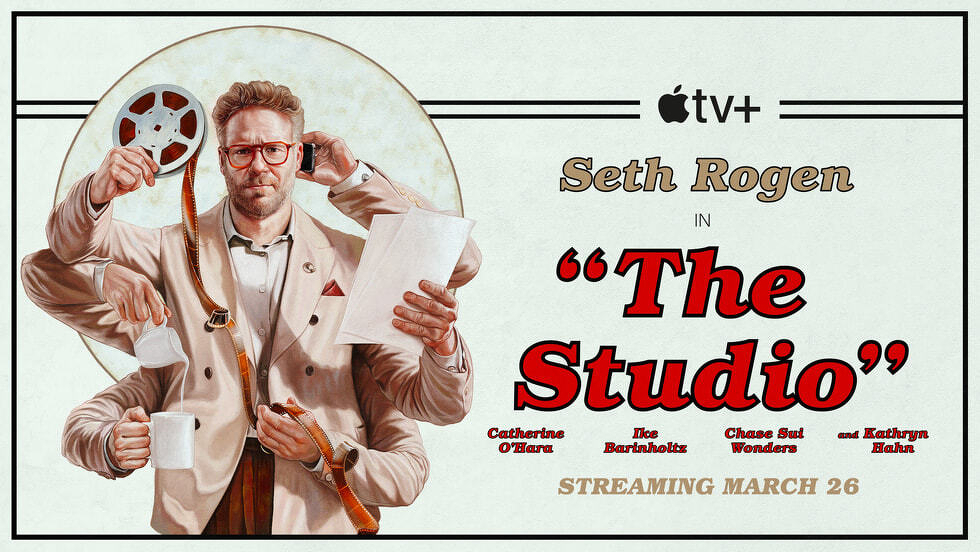
The Studio is a biting, high-energy comedy that pulls back the curtain on the chaotic reality of modern filmmaking. Created by Seth Rogen and Evan Goldberg, the series stars Rogen as Matt Remick, the newly appointed head of “Continental Studios,” who finds himself caught in a perpetual tug-of-war between his genuine love for cinema and the soul-crushing demands of corporate IP. Whether he’s trying to turn the Kool-Aid Man into an Oscar contender or navigating the fragile egos of legendary directors, the show functions as a hilarious, often uncomfortable “middle finger” to the industry’s current state of “content” obsession.
What sets the series apart is its ambitious visual style. Most episodes are constructed through remarkably long, continuous takes—“oners”—that mimic the frantic, breathless pace of a studio lot. This technique is used to brilliant comedic effect, particularly in the standout second episode where Matt accidentally ruins a sunset shot on a Sarah Polley film set. By trapping the audience in these unbroken moments, the show heightens the secondhand embarrassment and illustrates just how precarious the filmmaking process is: one loud-mouthed executive can literally derail a multi-million dollar production in real-time.
The series thrives on its stellar ensemble cast and an “insane” list of celebrity cameos. While Rogen delivers a career-best performance as the neurotic, validation-seeking lead, he is bolstered by the dry wit of Catherine O’Hara, the manic energy of Ike Barinholtz, and the sharp cynicism of Kathryn Hahn. The show’s true magic, however, lies in its ability to get icons like Martin Scorsese, Ron Howard, and Charlize Theron to play warped, self-effacing versions of themselves. It results in a series that feels deeply authentic to the “inside baseball” of Hollywood while remaining accessible enough to serve as a cautionary tale about what happens when art meets the bottom line.
The Pitt [HBO Max]
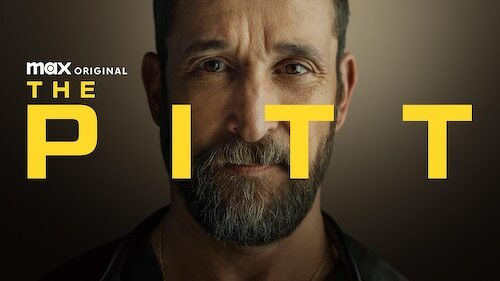
The Pitt marks a gripping return to the fast-paced world of medical procedurals, reuniting ER veteran Noah Wyle with executive producer R. Scott Gemmill. Set in a modern-day Pittsburgh hospital, the series ditches the glossy, idealized versions of medicine often seen on television for a gritty, realistic look at the frontlines of healthcare. It captures the relentless “triage” mentality required to survive in an urban ER, where the staff is constantly forced to do more with less while battling a system that feels increasingly rigged against both the healer and the patient.
At the center of the chaos is Noah Wyle’s Michael Robeson, a role that feels like a spiritual, more weathered successor to John Carter. Wyle brings a weary authority to the screen, portraying a man who has seen it all but refuses to let his cynicism override his duty. The chemistry between the veteran staff and the new rotation of residents provides the show’s emotional backbone, highlighting the generational divide in how medicine is practiced today. The dialogue is sharp and technical, moving at a clip that demands the audience’s full attention as the team navigates everything from local crises to personal collapses.
What distinguishes The Pitt from its predecessors is its unflinching commentary on the current state of the American healthcare industry. It doesn’t shy away from the bureaucracy, the burnout, or the moral injury faced by providers in a post-pandemic world. By focusing on the “pits” of the hospital—the places where the most difficult cases land—the show serves as both a thrilling drama and a sobering social critique. It is a visceral, heart-pounding reminder of the human cost of keeping a city alive, anchored by a production style that feels as urgent and unpredictable as a racing pulse. At first I don’t feel like watching another ER drama series but after the first two episodes, I was hooked. Also, it’s a shame that Wyle is a known zionist sympathizer bur if you can look past that, this is a pretty good show.
Beyond Goodbye [Netflix]
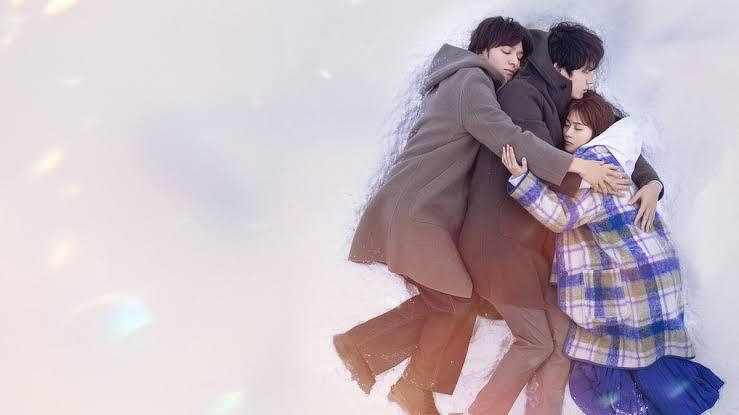
Beyond Goodbye (Sayonara no Tsuzuki) is a visually stunning Japanese melodrama that explores the ethereal boundaries of memory and the human heart. The story follows Saeko (Kasumi Arimura), whose life is shattered when her fiancé, Yusuke, dies in a tragic accident on the day of his proposal. Her path eventually crosses with Naruse (Kentaro Sakaguchi), a man who received Yusuke’s heart in a life-saving transplant. The series masterfully handles the “cellular memory” trope, grounding its fantastical premise in a deeply emotional reality that focuses less on the medical mystery and more on the agonizing, beautiful process of letting go.
The series is a sensory triumph, trading traditional TV lighting for cinematic landscapes that oscillate between the snowy peaks of Hokkaido and the lush, sun-drenched coffee farms of Hawaii. Arimura and Sakaguchi deliver restrained, soulful performances that capture the “quiet” intensity typical of Japanese dramas. Their chemistry is built on stolen glances and shared habits—such as a specific way of playing the piano—that make the presence of the deceased Yusuke feel like a tangible third participant in their scenes. This atmospheric weight elevates the show from a simple romance to a haunting study of how we carry the dead within us.
While the premise suggests a straightforward love story, Beyond Goodbye thrives in its moral complexity, particularly regarding Naruse’s wife, Miki. The narrative doesn’t shy away from the discomfort of Naruse’s personality shift and his inexplicable pull toward a woman he’s never met, forcing the audience to grapple with the “infidelity of the heart.” Though the pacing slows significantly in the middle chapters—and features a few baffling subplots, including a much-discussed bear encounter—it remains a deeply moving experience. It ultimately serves as a “warm cup of coffee on a cold day,” offering a bittersweet reminder that love, much like a heartbeat, can endure in the most unexpected ways.
Midnight Diner [Netflix]
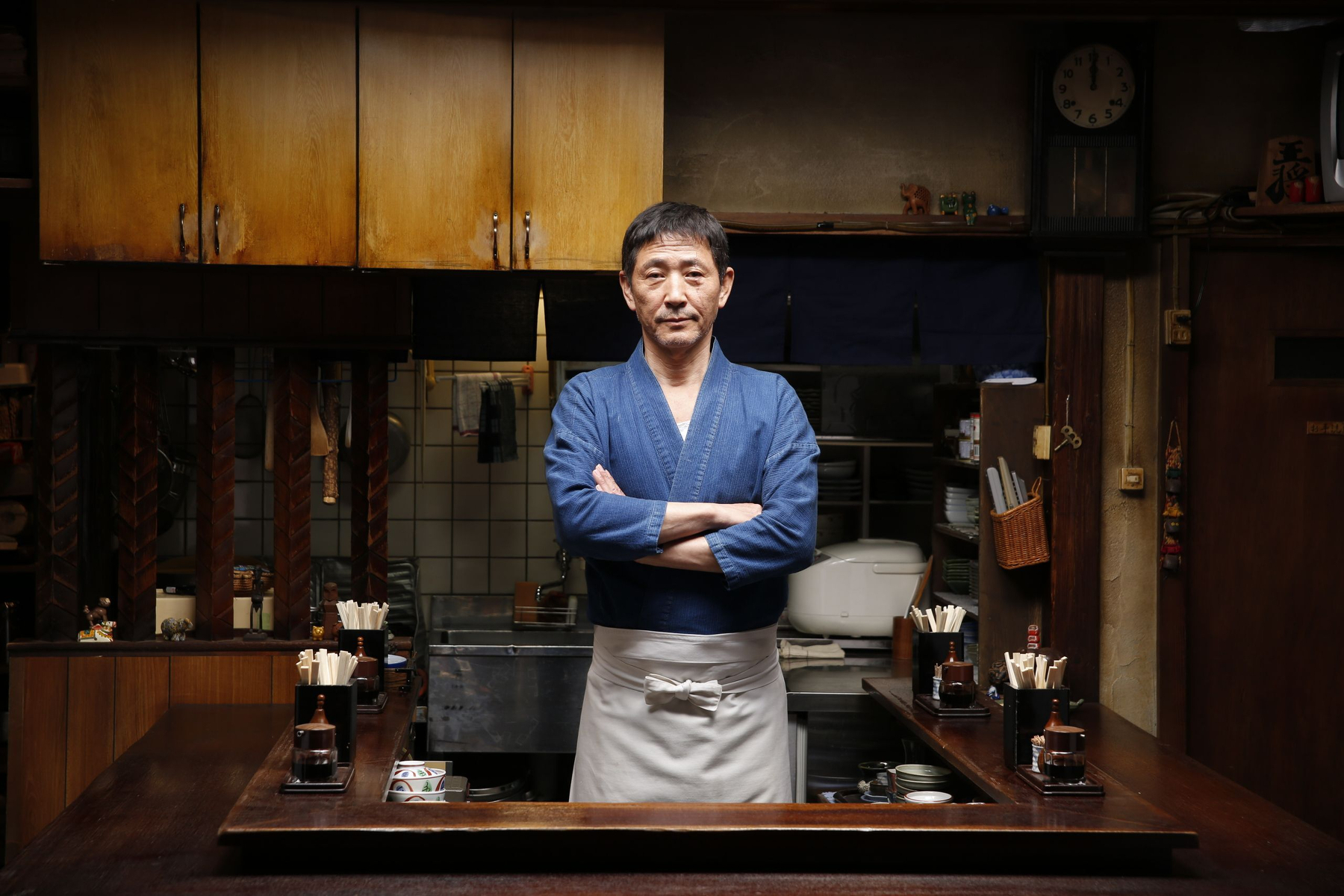
Midnight Diner (and its Netflix continuation, Tokyo Stories) is a masterclass in the “slice-of-life” genre, offering a soulful refuge from the neon-drenched chaos of Shinjuku. The premise is elegantly simple: a small, back-alley izakaya opens only from midnight to 7 AM, run by a soft-spoken chef known only as “Master.” While his menu is officially limited, his policy is to cook whatever a customer heart desires if he has the ingredients on hand. This setup transforms the diner into a stage where the marginalized and the weary—from yakuza and strippers to lonely office workers—gather to share their burdens over steaming bowls of comfort food.
The series treats gastronomy not just as sustenance, but as a bridge to the past. Each episode is named after a specific dish—like tamagoyaki, ham cutlets, or omurice—which serves as the catalyst for a customer’s personal revelation. As the Master prepares these meals with meditative precision, the steam seems to pull hidden stories and long-buried regrets out into the open. The show eschews high drama in favor of quiet, “haiku-like” moments, proving that a simple recipe can carry the weight of a broken relationship or the warmth of a childhood memory.
Anchored by Kaoru Kobayashi’s stoic yet empathetic performance, the series excels in its portrayal of community. The “regulars” provide a Greek chorus of gossip and support, creating a sense of belonging that feels increasingly rare in modern urban life. With its jazz-inflected soundtrack and intimate cinematography, Midnight Diner captures a specific brand of late-night melancholy that is both uniquely Japanese and universally relatable. It is the ultimate “nightcap” show—a gentle, poignant reminder that no matter how isolated we feel, there is always a seat at the counter and a warm meal waiting for us.
